
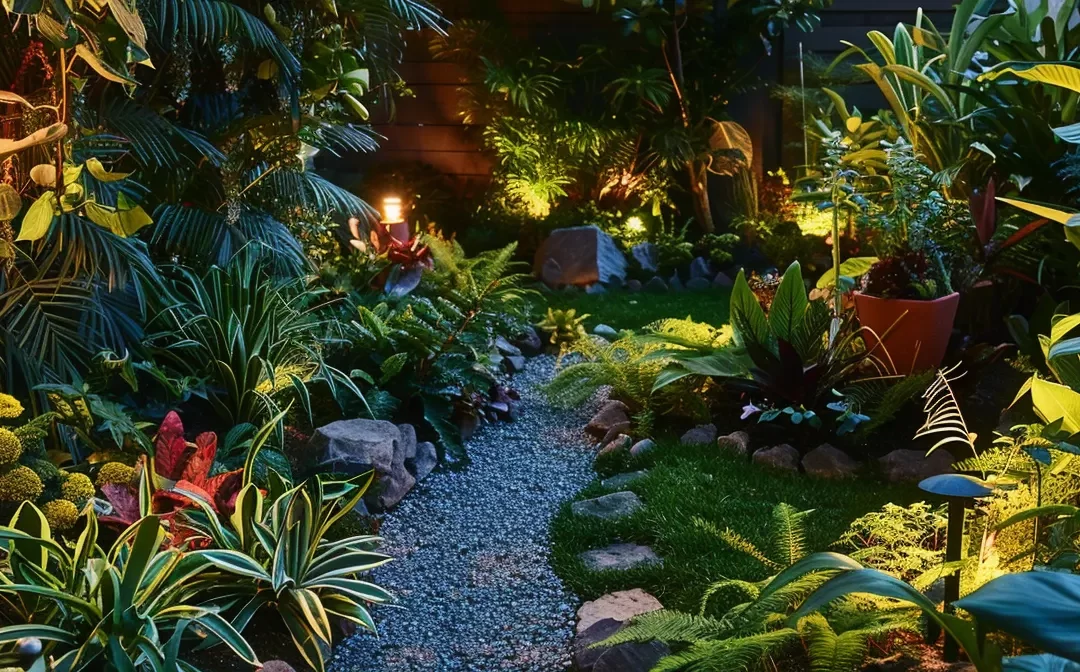
How can St. George residents create beautiful landscapes while conserving water and protecting the natural environment? This article explores eco-friendly landscaping strategies tailored to St. George’s unique climate. We’ll cover selecting drought-tolerant plants, implementing water-efficient irrigation, and enhancing soil health using sustainable practices. By adopting these science-based approaches, homeowners can reduce their carbon footprint, conserve resources, and create stunning outdoor spaces that thrive in the local ecosystem.
Understanding the Climate and Environment of St George
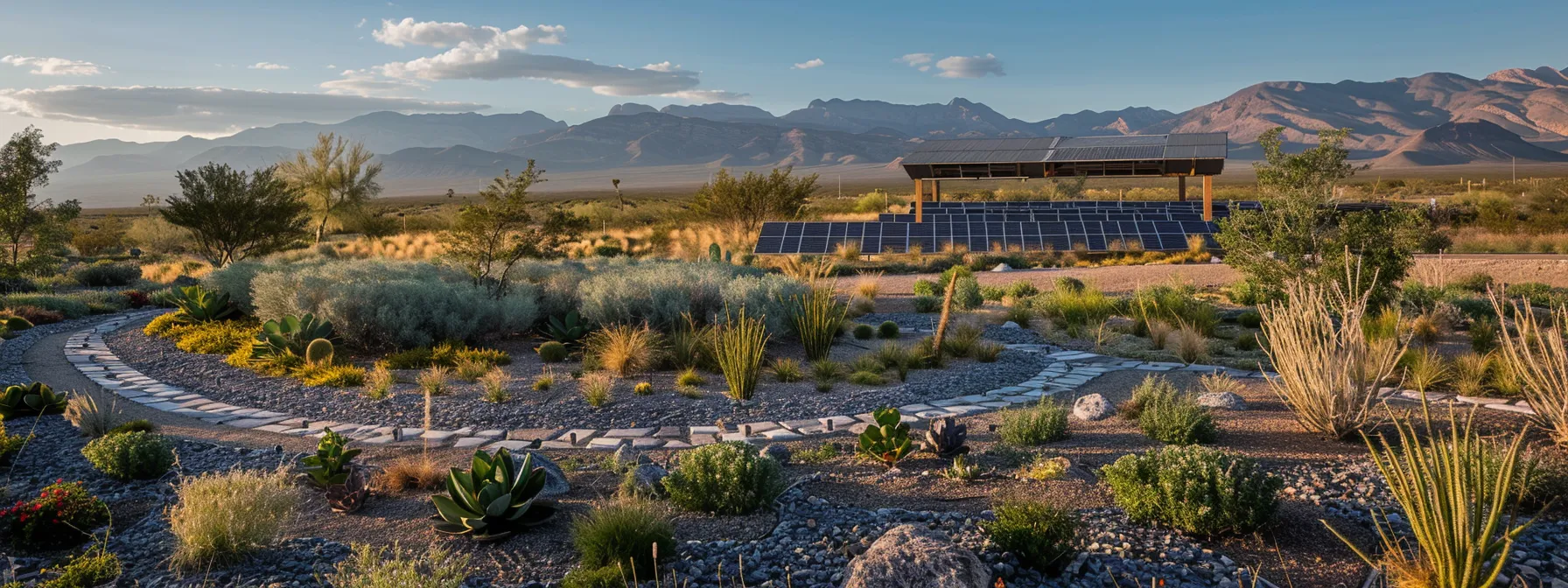
St. George’s unique climate and environment pose challenges for landscaping. This section explores the area’s climate characteristics, seasonal considerations, and environmental challenges in local landscaping. It also highlights the benefits of eco-friendly practices in arid regions, focusing on sustainable development and responsible consumption. Stakeholders, including universities, play a crucial role in promoting earth-friendly landscaping strategies.
Climate Characteristics and Seasonal Considerations
St. George’s climate presents unique challenges for landscaping, characterized by hot, dry summers and mild winters. The region’s geography, situated in the southwestern United States, contributes to its arid conditions. As the shift towards sustainable practices gains momentum, residents and institutions, including university campuses, are embracing eco-friendly landscaping strategies. These approaches often incorporate renewable energy solutions to address the intense sunlight and heat, while adapting to the seasonal variations in temperature and precipitation.
Environmental Challenges in Local Landscaping
Local landscaping in St. George faces environmental challenges due to water scarcity and extreme heat. Sustainability projects and innovative business models in agriculture have emerged to address these issues. Collaboration between local authorities, businesses, and residents has led to the development of water-efficient landscaping techniques that promote both environmental health and aesthetic appeal. These strategies often incorporate drought-resistant plants and smart irrigation systems to conserve resources while maintaining attractive outdoor spaces.
Benefits of Eco-Friendly Practices in Arid Regions
Eco-friendly practices in arid regions like St. George offer numerous benefits for both residents and the environment. These strategies reduce carbon footprints through efficient water usage and energy conservation, while promoting biodiversity by incorporating native plants. Sustainable landscaping approaches also foster entrepreneurship opportunities in green technologies and services. Effective governance of these practices ensures long-term benefits for the planet and the local ecosystem.
Selecting Native and Drought-Tolerant Plants
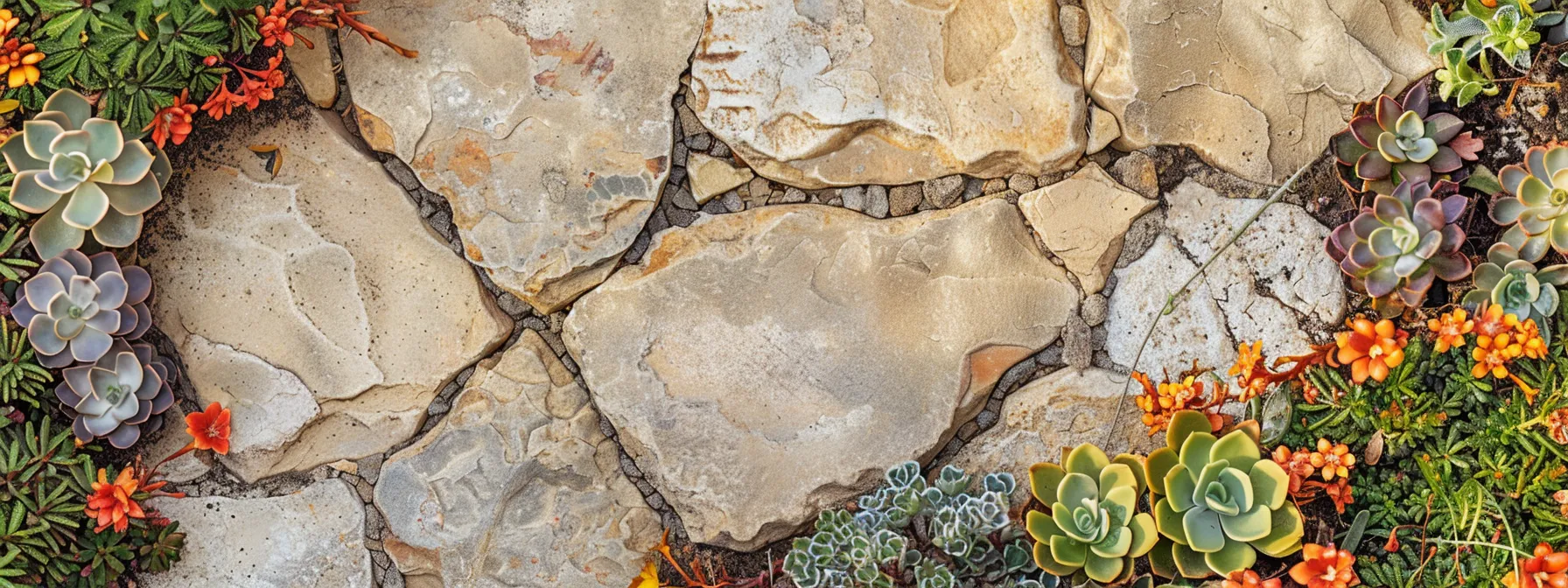
Selecting native and drought-tolerant plants is crucial for eco-friendly landscaping in St. George. This section explores suitable native species, drought-resistant flora for water conservation, and strategies to enhance biodiversity with indigenous plants. It also covers planting techniques for success in dry conditions, incorporating principles of conservation biology and climate change adaptation. These approaches offer sustainable solutions for residential gardens, balancing aesthetic appeal with environmental responsibility.
Native Plant Species Suitable for Residential Gardens
Native plant species offer sustainable solutions for residential gardens in St. George. These plants, adapted to the local climate, require less water and maintenance, aligning with sustainability goals. Experienced associates at Oaks Real Estate can guide homeowners in selecting native species that thrive in the arid environment while enhancing property value. By leveraging technology for efficient irrigation and plant care, residents can create beautiful, eco-friendly landscapes that showcase the unique beauty of St. George’s native flora.
Incorporating Drought-Resistant Flora for Water Conservation
Incorporating drought-resistant flora into St. George landscapes aligns with sustainable development goals and promotes water conservation. Homeowners can reduce waste and minimize their environmental impact by selecting plants that thrive in arid conditions. Local businesses, including nurseries and landscaping companies, support these sustainability efforts by offering a variety of drought-tolerant options. By choosing these plants, residents contribute to responsible resource management and create low-maintenance, attractive gardens that withstand the region’s climate challenges.
Enhancing Biodiversity With Indigenous Plants
Indigenous plants play a crucial role in enhancing biodiversity and addressing environmental issues in St. George landscapes. By incorporating native species, homeowners create habitats for local organisms, supporting the ecosystem‘s balance. These plants, adapted to the region’s climate, require less water and maintenance, reducing the need for construction of complex irrigation systems. Additionally, native landscapes promote natural recycling processes, contributing to a healthier environment and sustainable development in residential areas.
Planting Strategies for Success in Dry Conditions
Successful planting in St. George’s dry conditions requires careful management and climate-adapted strategies. Garden enthusiasts should focus on proper soil preparation, using organic matter to improve water retention and nutrient availability. Implementing efficient irrigation systems and mulching techniques helps conserve moisture in the arid climate. Studies show that grouping plants with similar water needs and creating microclimates can enhance the overall success of drought-tolerant landscapes.
Implementing Water-Efficient Irrigation Systems
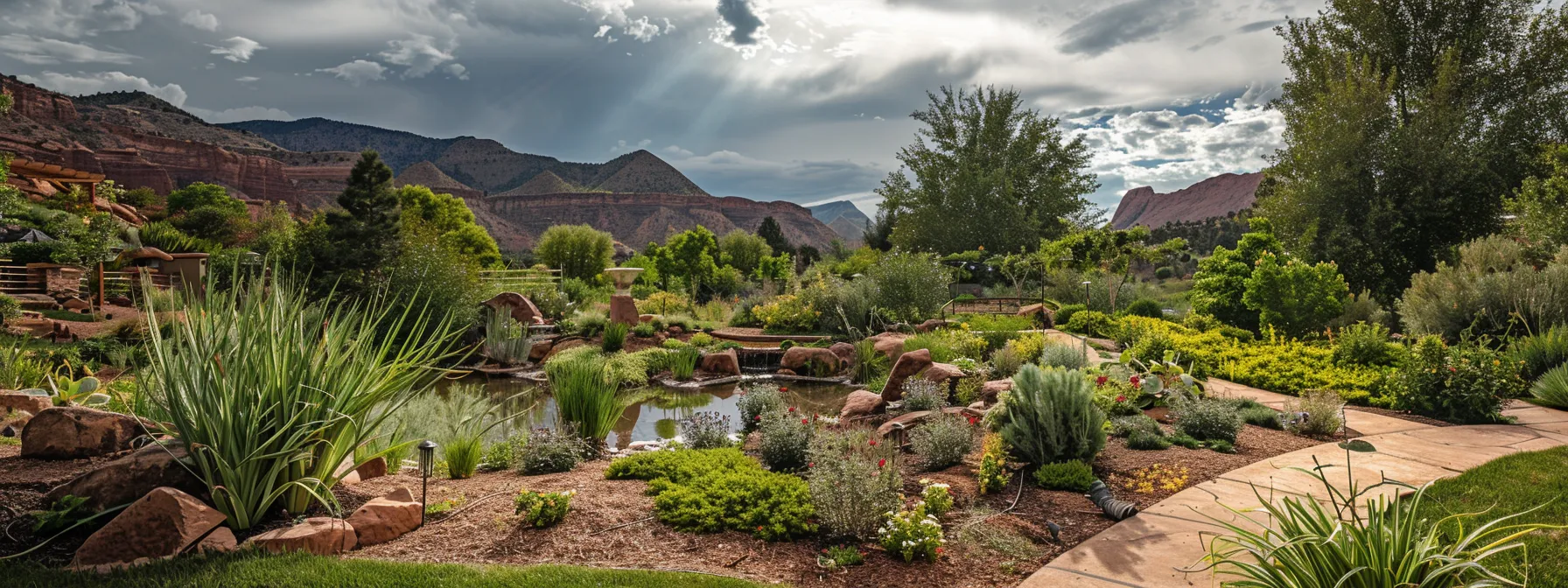
Implementing water-efficient irrigation systems is crucial for eco-friendly landscaping in St. George. This section explores choosing appropriate irrigation methods, installing drip systems, utilizing rainwater harvesting, and optimizing irrigation schedules. These strategies help conserve water, reduce energy consumption, and support heat-tolerant plant species. Environmentally friendly irrigation practices ensure efficient water transport while maintaining attractive landscapes.
Choosing the Right Irrigation Method for Your Landscape
Selecting the appropriate irrigation method is crucial for creating a sustainable landscape in St. George. Homeowners should consider factors such as soil type, plant water requirements, and local climate data to make informed decisions. Drip irrigation systems, which deliver water directly to plant roots, have proven effective in conserving water and promoting healthy growth in arid environments. By analyzing water usage statistics and plant health information, residents can optimize their irrigation strategies to maintain a lush, eco-friendly yard while minimizing resource consumption.
Installing Drip Irrigation for Optimal Water Use
Installing drip irrigation systems in St. George residences optimizes water use and supports sustainable practices in urban planning. These systems deliver water directly to plant roots, reducing waste and promoting efficient resource management in cities. By incorporating drip irrigation into their landscapes, homeowners contribute to a more sustainable supply chain for water distribution, while giving careful attention to the unique needs of their plants in the arid climate.
Utilizing Rainwater Harvesting Techniques
Rainwater harvesting techniques offer an innovative solution for water conservation in St. George’s arid ecosystem. By collecting and storing rainwater, homeowners can supplement their irrigation needs, reducing reliance on municipal water supplies. This approach aligns with Utah‘s leadership in sustainable water management, utilizing data-driven systems to capture and distribute rainfall effectively. Implementing these techniques not only supports eco-friendly landscaping but also promotes continuous learning about efficient water use in desert environments.
Scheduling Irrigation to Minimize Waste
Effective irrigation scheduling minimizes waste and conserves natural resources in St. George’s arid climate. Environmental science principles guide senior leaders in the community to implement water-efficient practices, balancing the needs of capitalism with responsible resource management. By aligning watering times with plant requirements and local weather patterns, homeowners contribute to sustainable water use while maintaining attractive landscapes.
Enhancing Soil Health With Sustainable Practices
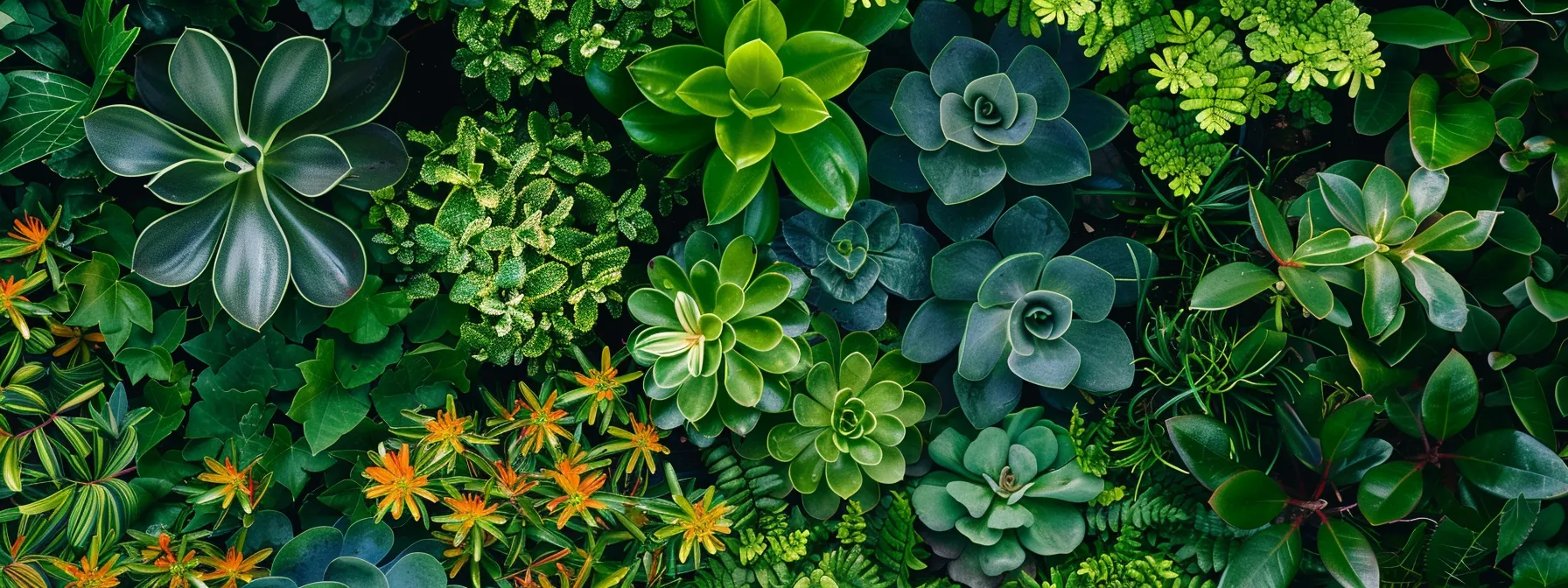
Enhancing soil health is crucial for eco-friendly landscaping in St. George. This section explores sustainable practices such as organic composting, mulch application, no-till gardening, and erosion prevention with ground cover plants. These innovative techniques promote soil development, conserve space, and support educational initiatives in sustainable landscaping. By implementing these methods, residents can create healthier, more resilient gardens in St. George’s unique environment.
Enriching Soil With Organic Composting
Organic composting enriches soil health in St. George landscapes, aligning with sustainable waste management policies. This practice transforms kitchen and yard waste into nutrient-rich soil amendments, supporting landscape design that prioritizes environmental stewardship. By incorporating compost into their gardens, homeowners improve soil structure, water retention, and plant nutrition, creating resilient and thriving eco-friendly landscapes.
Applying Mulch to Retain Moisture
Applying mulch is a crucial practice for eco-friendly landscaping in St. George, helping to retain moisture in the arid climate. Research conducted by local companies has shown that organic mulch can reduce water evaporation by up to 70%, significantly decreasing irrigation needs. By reusing materials such as wood chips or compost, homeowners can reduce pollution and create a natural dialogue between soil and plants. This sustainable approach not only conserves water but also improves soil health, making it an essential strategy for St. George residents looking to maintain lush landscapes while minimizing environmental impact.
Adopting No-Till Gardening Methods
No-till gardening methods offer a sustainable strategy for enhancing soil health in St. George residences. This approach preserves soil structure and beneficial microorganisms, improving plant growth and overall garden quality. By minimizing soil disturbance, homeowners can create a robust infrastructure for their landscapes, reducing the need for extensive irrigation and fertilizer donations. No-till practices also help combat erosion, a common challenge in the region’s arid climate.
Preventing Soil Erosion With Ground Cover Plants
Ground cover plants play a crucial role in preventing soil erosion in St. George’s water-conscious economy. These low-growing plants form a protective layer over the soil, reducing water runoff and retaining moisture. By selecting native ground covers adapted to the local climate, homeowners can create a sustainable landscape that not only prevents erosion but also supports the region’s water conservation efforts.
Managing Pests and Weeds the Eco-Friendly Way

Managing pests and weeds in St. George landscapes requires eco-friendly approaches tailored to the local environment. This section explores common garden pests, natural pest control strategies, organic weed prevention methods, and techniques for attracting beneficial insects. By implementing these sustainable practices, homeowners can maintain healthy gardens while minimizing environmental impact and preserving the region’s unique ecosystem.
Identifying Common Garden Pests in St George
St. George gardens face several common pests adapted to the arid climate. These include aphids, spider mites, and whiteflies, which thrive in hot, dry conditions. Grasshoppers and Mormon crickets also pose significant challenges to local vegetation. Homeowners should regularly inspect their plants for signs of infestation, such as leaf damage or discoloration, to address pest issues early and maintain healthy landscapes.
Natural Pest Control Strategies Without Chemicals
Natural pest control strategies offer effective alternatives to chemical pesticides in St. George gardens. Homeowners can introduce beneficial insects like ladybugs and lacewings to combat aphids and other harmful pests. Companion planting, such as interspersing marigolds or basil among vegetables, helps repel unwanted insects naturally. Additionally, homemade solutions like neem oil sprays or garlic-based mixtures provide targeted pest control without harmful environmental impacts.
Organic Solutions for Weed Prevention
Organic weed prevention in St. George gardens focuses on natural methods to suppress unwanted plant growth. Residents can use mulch, such as wood chips or straw, to smother weeds and prevent their seeds from germinating. Another effective strategy involves planting ground covers or dense plantings to outcompete weeds for resources. Regular hand-pulling of weeds, especially when the soil is moist, helps maintain a weed-free landscape without resorting to chemical herbicides.
Attracting Beneficial Insects to Your Garden
Attracting beneficial insects to St. George gardens plays a crucial role in natural pest control. Homeowners can create inviting habitats by planting nectar-rich flowers like lavender, marigolds, and native wildflowers. These plants provide food and shelter for beneficial insects such as ladybugs, lacewings, and bees, which help control harmful pests naturally. By incorporating diverse plant species and avoiding pesticides, residents can foster a balanced ecosystem in their gardens, reducing the need for chemical interventions and supporting local biodiversity.
Designing Energy-Efficient Outdoor Spaces
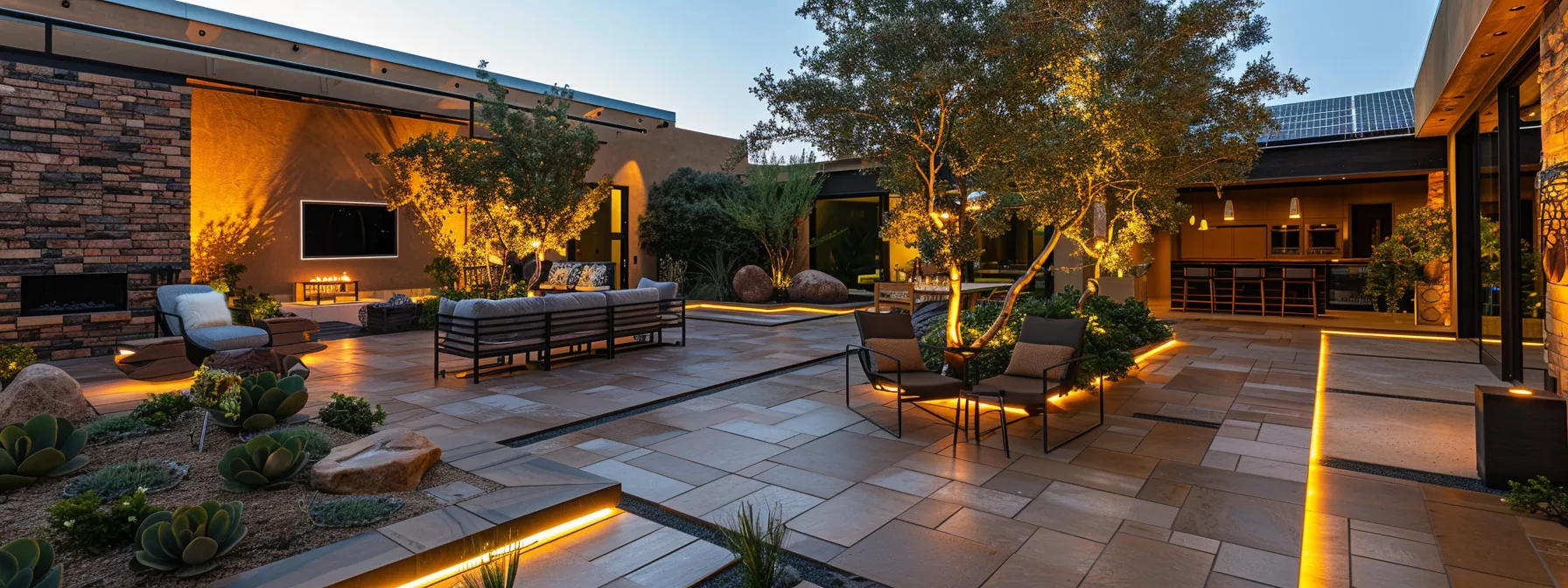
Designing energy-efficient outdoor spaces in St. George involves strategic tree placement, sustainable hardscaping materials, solar lighting integration, and eco-conscious lawn planning. These approaches reduce energy consumption, minimize environmental impact, and create attractive, low-maintenance landscapes. Homeowners can optimize their outdoor areas for both energy savings and aesthetic appeal while supporting local sustainability efforts.
Positioning Trees for Shade and Energy Savings
Strategic tree placement in St. George residences offers significant energy savings and enhances outdoor comfort. Deciduous trees planted on the south and west sides of homes provide shade during hot summers, reducing cooling costs by up to 35%. In winter, these trees allow sunlight to warm the house, further optimizing energy efficiency. Oaks Real Estate professionals can guide homeowners in selecting appropriate tree species and optimal planting locations to maximize energy benefits while complementing the property’s aesthetic appeal.
Selecting Sustainable Materials for Hardscaping
Selecting sustainable materials for hardscaping in St. George residences is crucial for creating energy-efficient outdoor spaces. Homeowners can opt for locally sourced, recycled, or reclaimed materials such as permeable pavers, recycled concrete, or natural stone to reduce environmental impact. These materials not only minimize heat absorption but also promote better water drainage, contributing to a more sustainable landscape. By choosing eco-friendly hardscaping options, residents can enhance their property’s aesthetic appeal while supporting local sustainability initiatives.
Incorporating Solar Lighting Into Landscape Design
Solar lighting offers an energy-efficient solution for St. George landscapes, harnessing the region’s abundant sunlight. Homeowners can integrate solar-powered path lights, spotlights, and decorative fixtures to illuminate outdoor spaces without increasing electricity costs. These eco-friendly options not only reduce energy consumption but also provide flexibility in design, allowing for creative lighting arrangements that enhance the property’s aesthetic appeal and security.
Planning Low-Maintenance, Eco-Conscious Lawns
Planning low-maintenance, eco-conscious lawns in St. George involves selecting drought-tolerant grass varieties and implementing efficient irrigation systems. Homeowners can reduce water consumption and maintenance needs by opting for native grass species or alternatives like artificial turf. Incorporating xeriscaping principles, such as reducing lawn size and replacing grass with rock gardens or native plant beds, further enhances energy efficiency and supports local ecosystems.
Conclusion
Eco-friendly landscaping strategies for St. George residences are essential for conserving water, reducing energy consumption, and preserving the local ecosystem. By selecting native and drought-tolerant plants, implementing water-efficient irrigation systems, and enhancing soil health, homeowners can create sustainable, low-maintenance landscapes that thrive in the arid climate. These practices not only benefit the environment but also contribute to cost savings and increased property value. Adopting eco-conscious landscaping approaches allows St. George residents to enjoy beautiful outdoor spaces while responsibly managing natural resources and supporting the region’s sustainability efforts.